Best Radon Testing & Mitigation in St. John's
About Radon in St. John's, Newfoundland and Labrador
Last updated: March 2026
St. John's is served by C-NRPP certified radon professionals listed on RadonFinder.ca. Newfoundland and Labrador has above-average radon risk driven by the province's uranium-rich Precambrian geology. The Avalon Peninsula, home to St. John's and a large share of the province's population, sits over ancient gneiss and granite that produces elevated soil radon. Homes on the island portion of the province are often built over bedrock with minimal soil buffer, and the province's cold, windy climate means structures are well-sealed during the long heating season. Health Canada surveys show a meaningful portion of NL homes exceed the guideline.
Typical Mitigation Cost in Newfoundland and Labrador
Above national average
Higher costs reflect limited contractor availability outside St. John's and the island's older housing stock, which often requires more sealing work.
- •Bedrock proximity: many NL homes are built over or very close to exposed rock
- •Older construction with rubble or block foundations common in St. John's
- •Limited contractor availability outside of the Avalon Peninsula
- •Complex pipe routing in row houses and older attached homes
- •Weather considerations during installation in coastal communities
Showing 1–2 of 2 professionals in St. John's
Pinchin Ltd.
Pinchin Ltd. is a C-NRPP certified radon testing professional serving St. John's, NL. Their certified inspectors provide accurate radon measurements for homes and businesses.
Shane Hickey
Shane Hickey is a C-NRPP certified radon testing professional serving St. John's, NL. Their certified inspectors provide accurate radon measurements for homes and businesses.
Local radon data
How common is high radon in St. John's?
1 in 4
homes in the St. John's area are estimated to have radon above Health Canada's action level of 200 Bq/m³. Your home can be very different from its neighbours, so the only way to know your level is to test.
Postal areas nearby with the highest estimates
Estimate across 13 postal areas. Source: the RadonFinder.ca radon map of Canada, built on the 2024 Cross-Canada survey, Health Canada data and Statistics Canada census data.
Open St. John's on the radon mapTest before you call a pro
Know your radon level in St. John's first
A home monitor tells you whether you need mitigation at all, and later confirms it worked. Health Canada bases decisions on a 3-month average, ideally through winter.
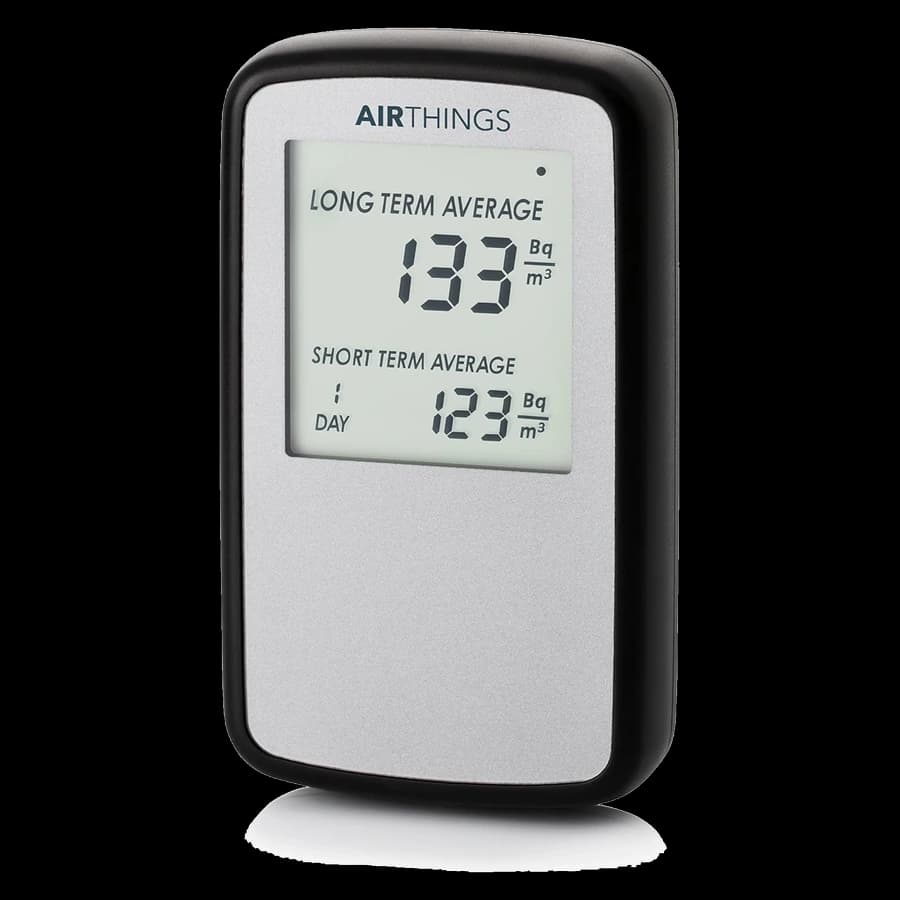
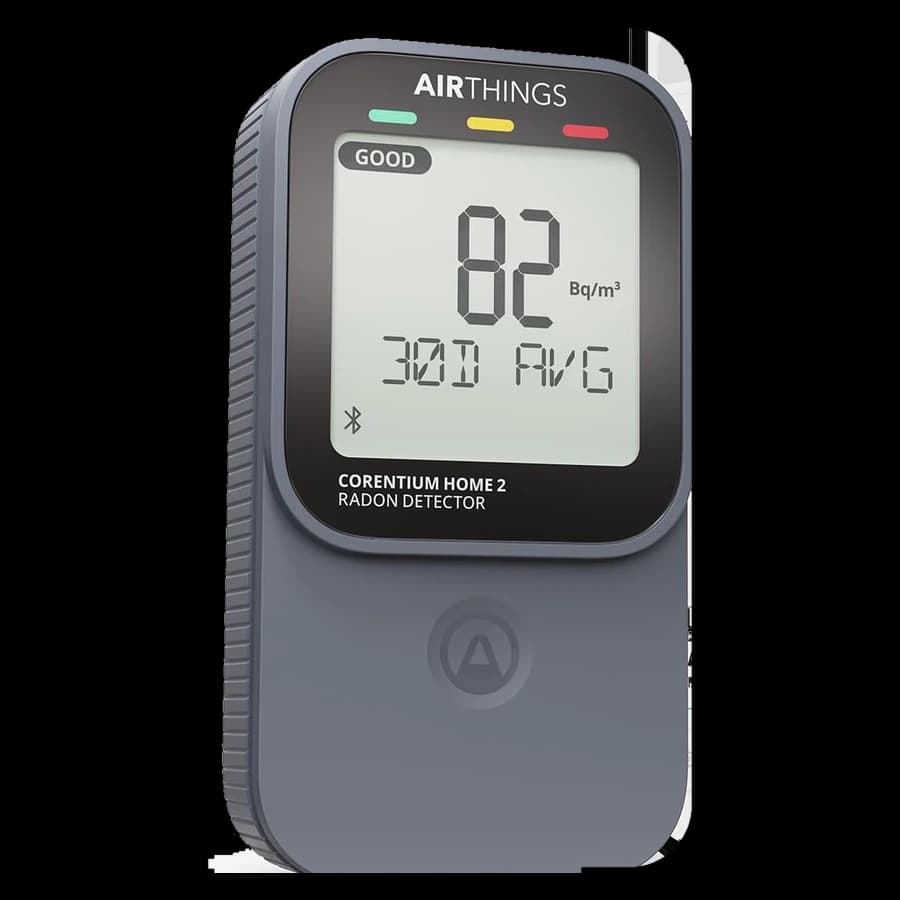
Compare all detectors · As an Amazon Associate we earn from qualifying purchases, at no extra cost to you.
Frequently Asked Questions: Radon in St. John's
Browse Nearby Cities in Newfoundland and Labrador
Other areas with radon professionals
Are you a radon professional in St. John's? Claim and verify your free listing.
Learn more →Radon Resources for St. John's
Tools and guides to help you understand radon risk and take action.